
Last updated September 21, 2026
Free on-site gate assessment - hinges, posts, and your LiftMaster or Nice gate operator checked before anything is quoted
The assessment is free and the quote is the invoice.
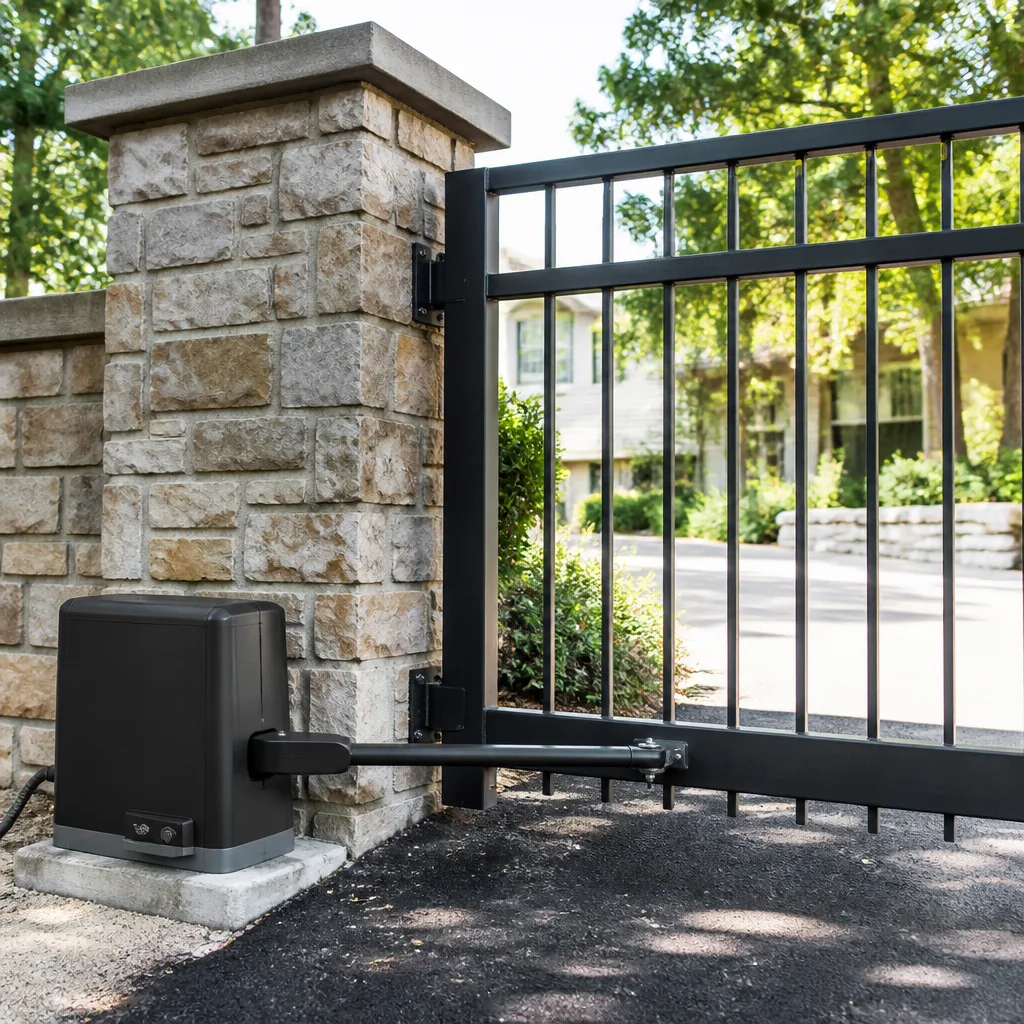
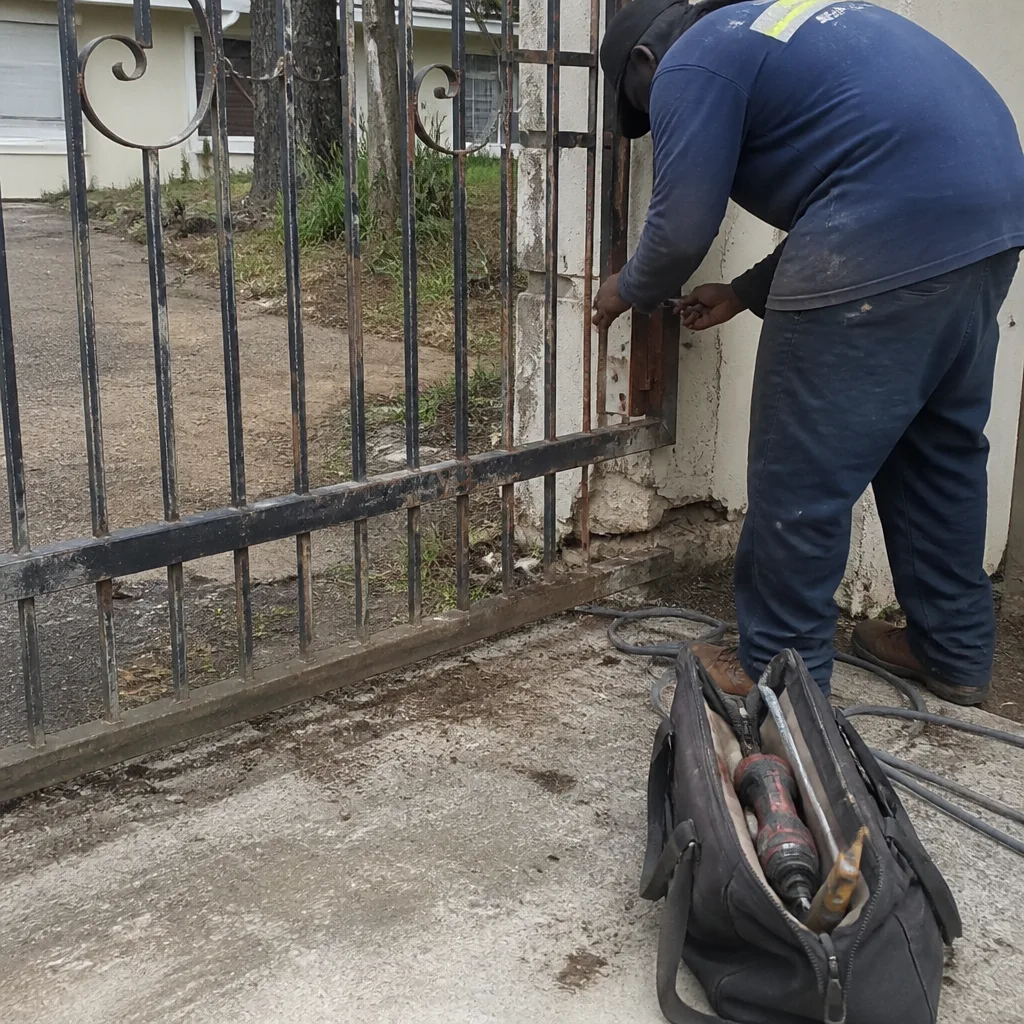 Before
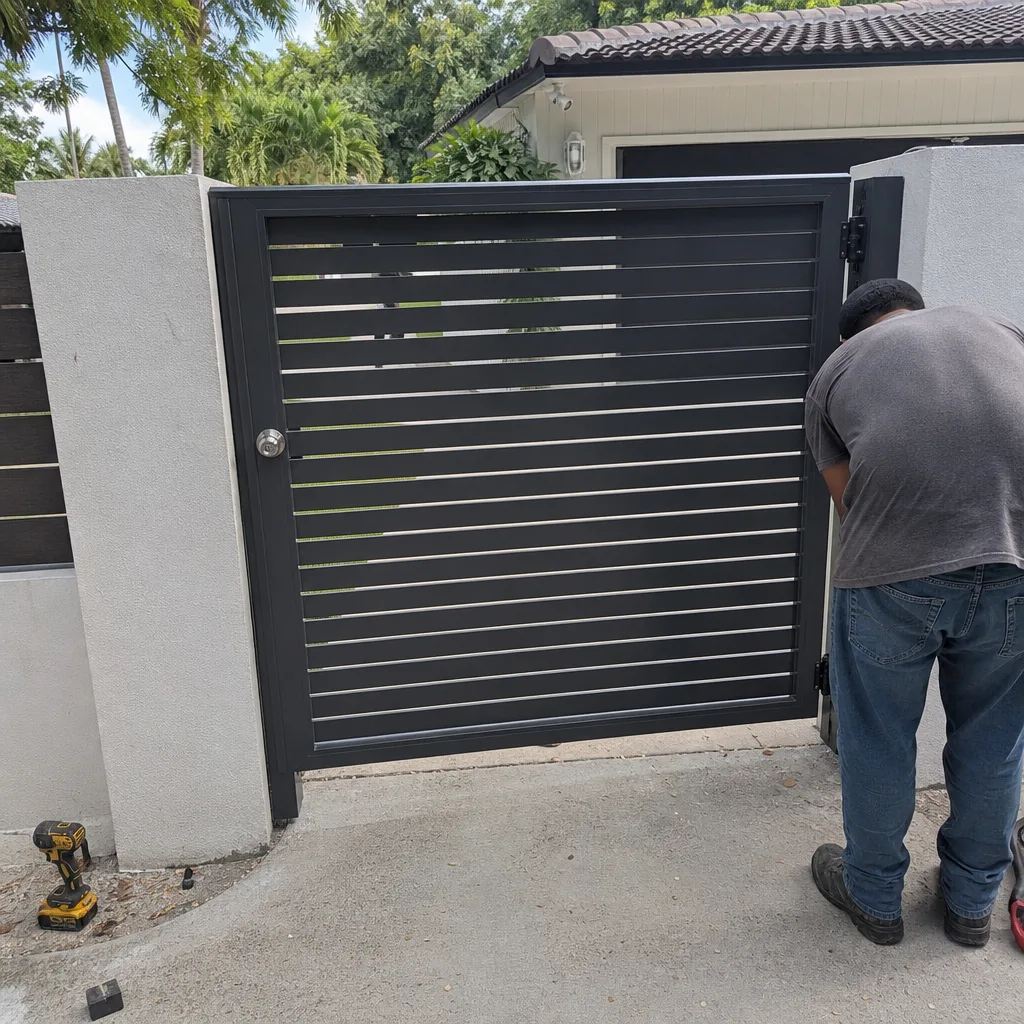 After
After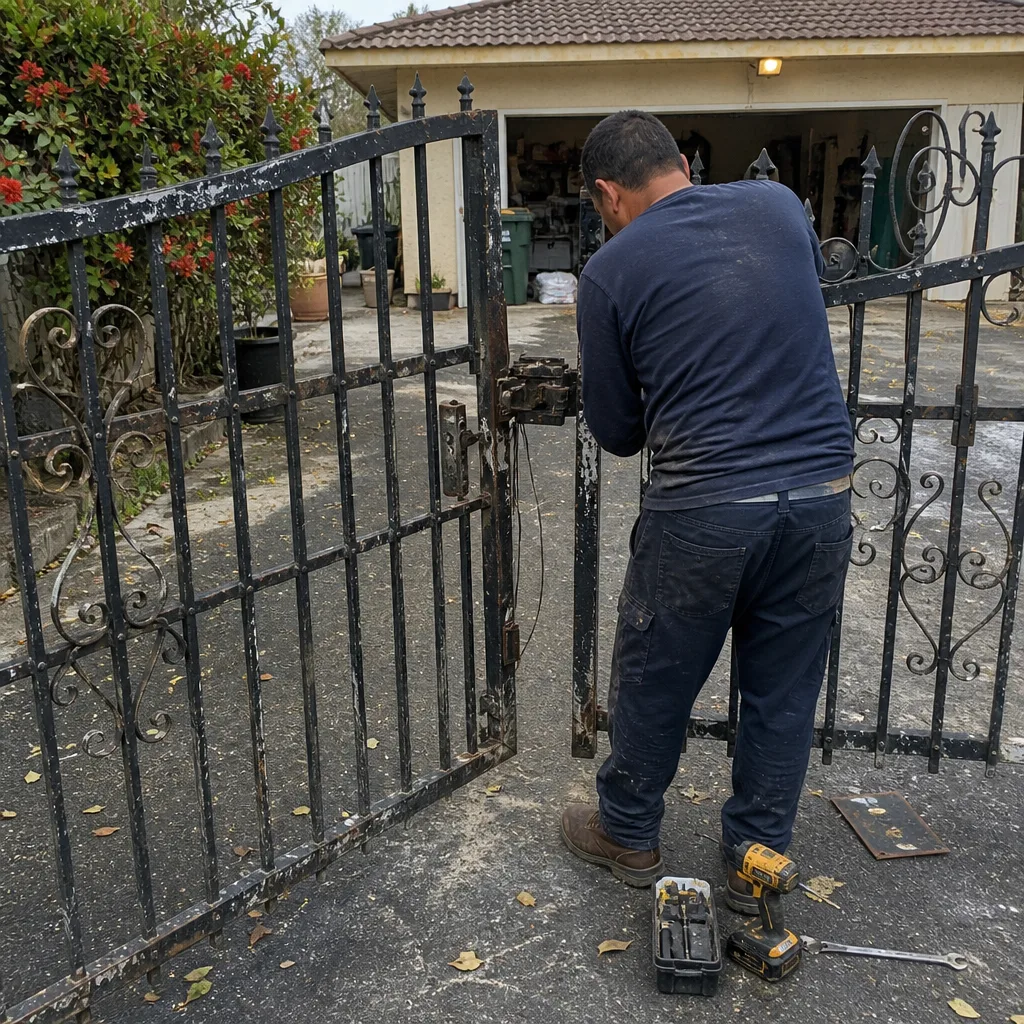 Before
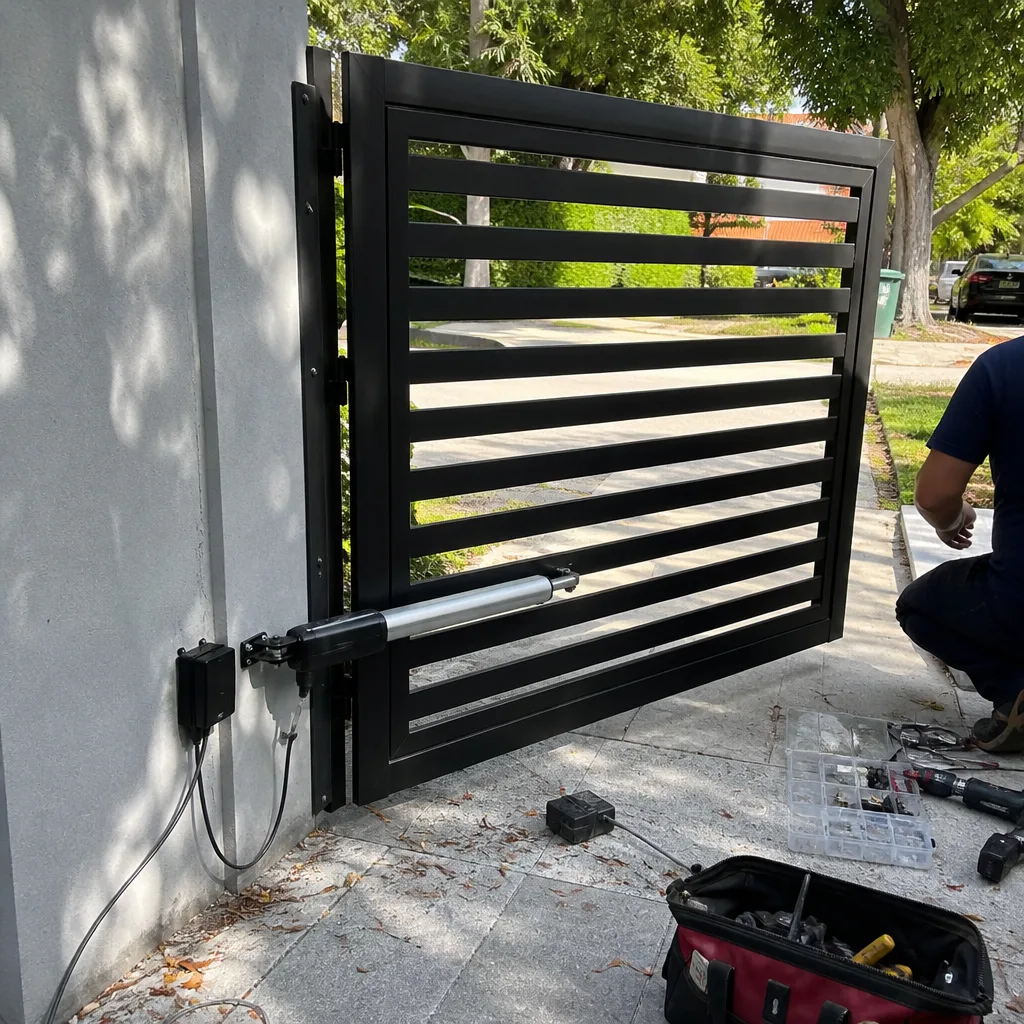 After
After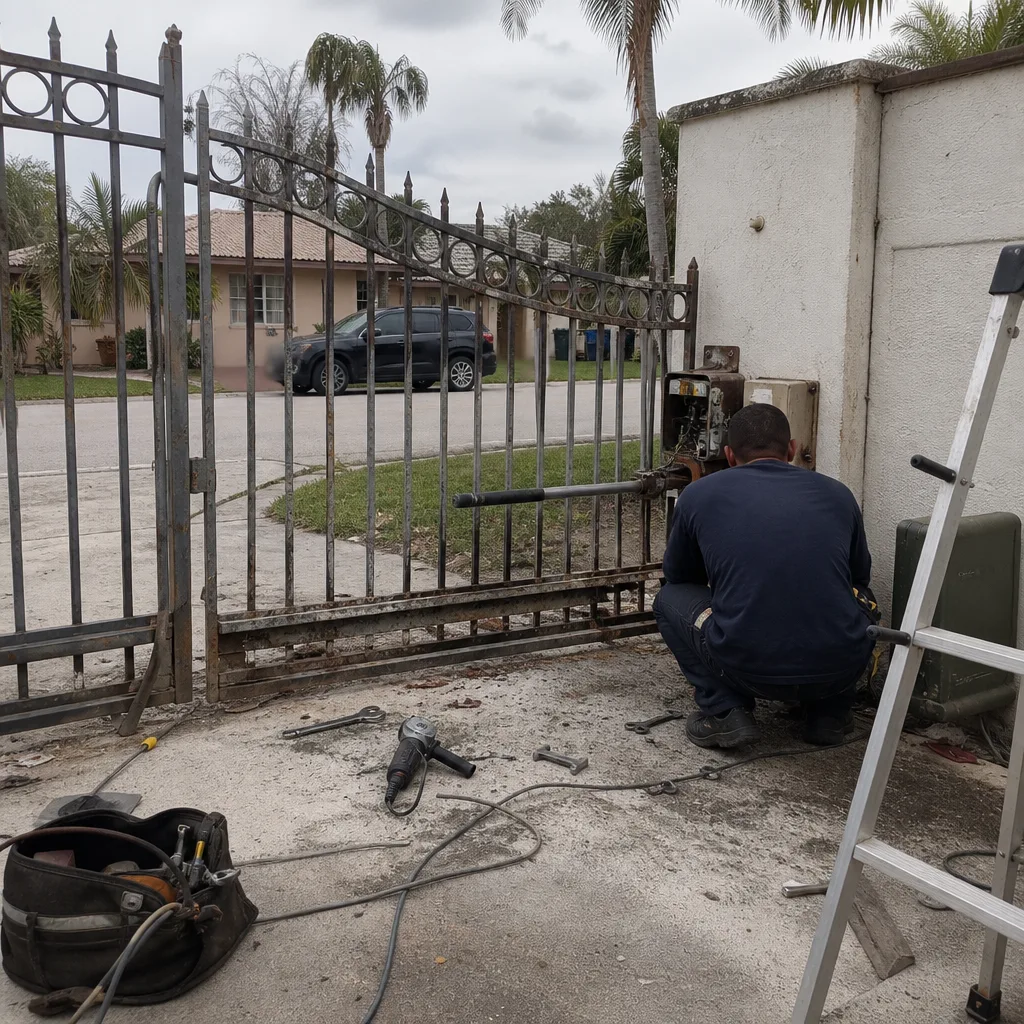 Before
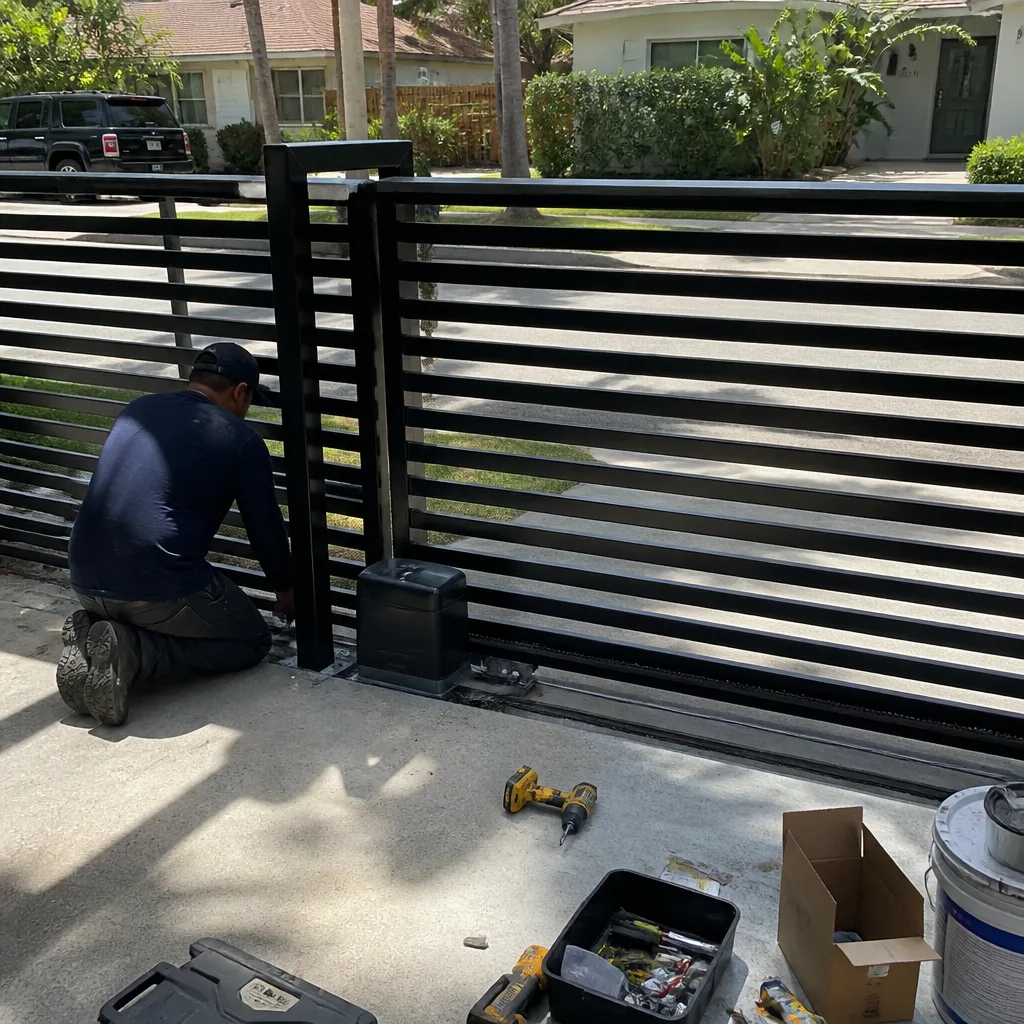 After
AfterSeasonal Gate Repair Care for North Miami Beach: Year-Round Homeowner’s Guide
October and November are when the calls start. Not because North Miami Beach gates suddenly decide to fail in autumn, but because the wet season has spent five months working on every small compromise that was ignored in May. We document the same pattern every year: a corroded limit switch that was never sealed, a drain path that silted over in June, a photo-eye that got nudged out of alignment during an August downpour and was never checked. This guide covers the two real seasons in North Miami Beach, the wet and the dry, and what each one does to a gate. You’ll learn what to inspect, when to do it, what to measure, and how to keep a log that makes annual gate repair predictable instead of surprising.
Quick Answer
Seasonal gate care in North Miami Beach means two service checkpoints each year: a pre-wet-season prep in April or May to seal conduits, clear drainage, and weatherproof control boards, and a dry-season recalibration in October or November to reset limit switches and lubricate what summer heat baked out. In between, you check the gate after any named storm or heavy rainfall event. Following those two checkpoints catches most failures before they happen and costs a fraction of an emergency repair.
Table of Contents
- What the Wet Season Actually Does to Gates in North Miami Beach
- Pre-Wet-Season Prep: April and May Checklist
- Mid-Wet-Season Checks: What to Do After Every Significant Rain
- Dry-Season Recalibration: October and November Work
- Post-Hurricane or Named-Storm Inspection Protocol
- How to Build a Simple Annual Gate Log
- Common Mistakes to Avoid
- When to Call a Professional
- Frequently Asked Questions
 Before
 After
AfterWhat the Wet Season Actually Does to Gates in North Miami Beach
North Miami Beach receives roughly 60 inches of rain per year, and most of it arrives between May and October. That is not a mild condition for an electromechanical gate. Water gets where it should not be, salt air from the coast accelerates corrosion, and the daily afternoon thunderstorms cycle equipment through heat, soak, and humidity in a way no other Florida season does. The failures we see are not random. They are predictable.
The wet season produces four recurring problems. First, moisture intrusion into control boards. A board inside a housing that lost its gasket or has an open conduit penetration will accumulate condensation. The circuit traces corrode, the board faults, and the gate stops responding. Second, photo-eye misalignment. The photo-eye, the infrared beam across the gate path that reverses a closing gate when something breaks the beam, sits in a bracket that heavy rain and wind can shift. Even two inches of drift will cause false obstruction readings. Third, drainage failure around the low side of the track or the hinge post. When water pools around the post, the post moves over time. When it pools in the track, a slide gate drags through standing water and floods the bearings. Fourth, ground erosion under the gate foundation. A bed of compacted limestone that washed out in June leaves the gate sagging by September.
None of these require a major repair call if they are caught during routine seasonal inspection. All of them become a major repair call if they are not. A corroded board costs several hundred dollars to replace with a compatible unit from FAAC, BFT, or whichever brand is installed. A misaligned photo-eye is a ten-minute adjustment. The wet season does not create new problems so much as it reveals deferred ones. The gate repair work in North Miami Beach we perform in fall is usually wet-season consequences, and almost all of it traces back to May.
Pre-Wet-Season Prep: April and May Checklist
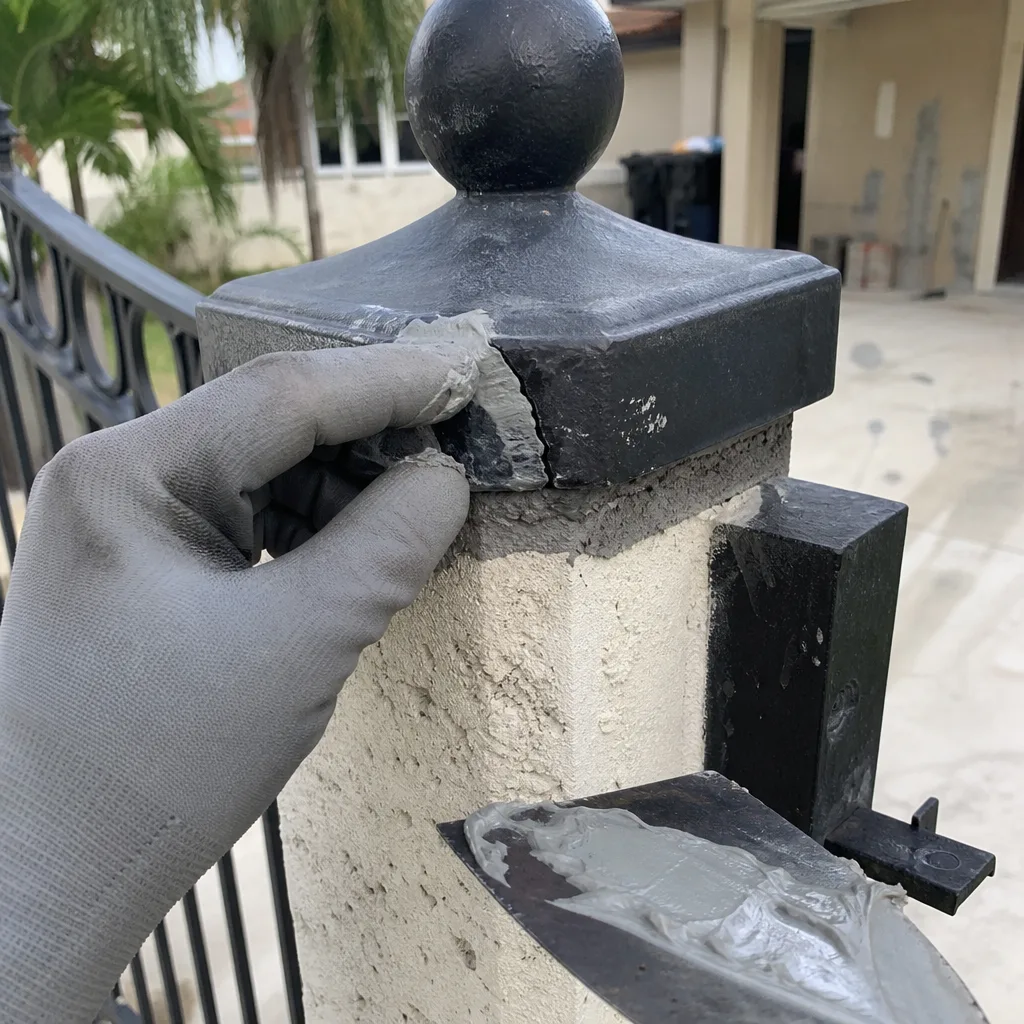
The most valuable hour you will spend on your gate all year is in April or early May, before the storms begin. The work is not glamorous. It is conduit sealing, drainage clearing, and board weatherproofing. But this is what determines whether your gate makes it through October without a call to us, as covered in our Complete Guide to Gate Repair in North Miami Beach.
Here is the sequence we recommend for every North Miami Beach homeowner with a swing or slide gate:
- Clear the drainage path. Remove debris, silt, and vegetation from the low side of the track or from the area around the hinge posts. Water must be able to leave the gate area within an hour of a downpour. Standing water is the enemy.
- Inspect every conduit penetration into the motor housing and the control board enclosure. Look for gaps where flexible conduit meets the box. If you can see daylight or wiggle the conduit, water can get in. Seal it with a proper weatherproof fitting or a marine-grade sealant, not household caulk.
- Check the enclosure gasket. Open the board housing and verify the rubber gasket is seated evenly, with no tears or compression flat spots. If the gasket is stiff or cracked, replace it before the humidity arrives.
- Verify the photo-eye alignment. With the gate open, confirm the receiver sees the sender. Most photo-eyes have an LED that shows green when aligned. If it flickers or reads red, adjust the bracket. Write down the position so you can compare it after the first big storm.
- Lubricate hinges, bearings, and the chain or screw drive. Use a lubricant rated for outdoor marine use. Wipe off excess. The goal is a thin film, not a puddle that collects grit.
- Photograph everything. Clear, well-lit photos of the board, the conduit penetrations, the hinge posts, and the track. This is your baseline documentation for the season.
We follow this exact sequence on every annual maintenance visit in North Miami Beach. The documentation habit matters more than homeowners realize. When something fails in September, a photo from May tells us whether the failure was environmental or mechanical. It eliminates guesswork. Under the Haven Standard clause we work by, every visit includes a documented photo record, and we hand that record to the homeowner before we leave. You can adopt the same habit for your own seasonal checks.
Mid-Wet-Season Checks: What to Do After Every Significant Rain
You do not need to inspect a gate after every afternoon shower. North Miami Beach gets those nearly every day from June through September, and most of them are routine. What matters is inspecting after a significant rainfall event, which in practical terms means more than two inches in a morning, or any storm that leaves standing water on your property for more than an hour.
There are three things to look at after a heavy rain, and two measurements worth recording.
- Standing water. Walk to the gate and see where water is pooling. Is it around the hinge post? Inside the track channel? Against the motor housing? Each location tells you a different failure risk. Post pooling means foundation movement risk. Track pooling means bearing and roller damage risk. Motor housing pooling means board and wiring corrosion risk.
- Photo-eye behavior. Run the gate through a full open-close cycle. Does it reverse halfway for no visible reason? That is a photo-eye misalignment or a bad reflector. If the gate reverses when nothing is in the path, check the beam alignment before calling anyone.
- Unusual motor sound. A motor that grinds, clicks, or shudders after a storm is telling you water got somewhere or the gate is fighting resistance it did not have before. A quiet motor that suddenly works hard is a warning sign, not a quirk.
Measure and record two things. First, the time it takes water to drain from the gate area after the rain stops. If clearing took twenty minutes in May and now takes two hours, the drainage path is narrowing. Second, the gate travel time from fully open to fully closed. An extra two seconds means resistance has increased, usually from a swelling track or a bearing holding water.
If any of these checks fails, you have a problem to address before the next storm, not after it. A gate motor and opener service call in North Miami Beach in June is less expensive than a full motor replacement in September.
Dry-Season Recalibration: October and November Work
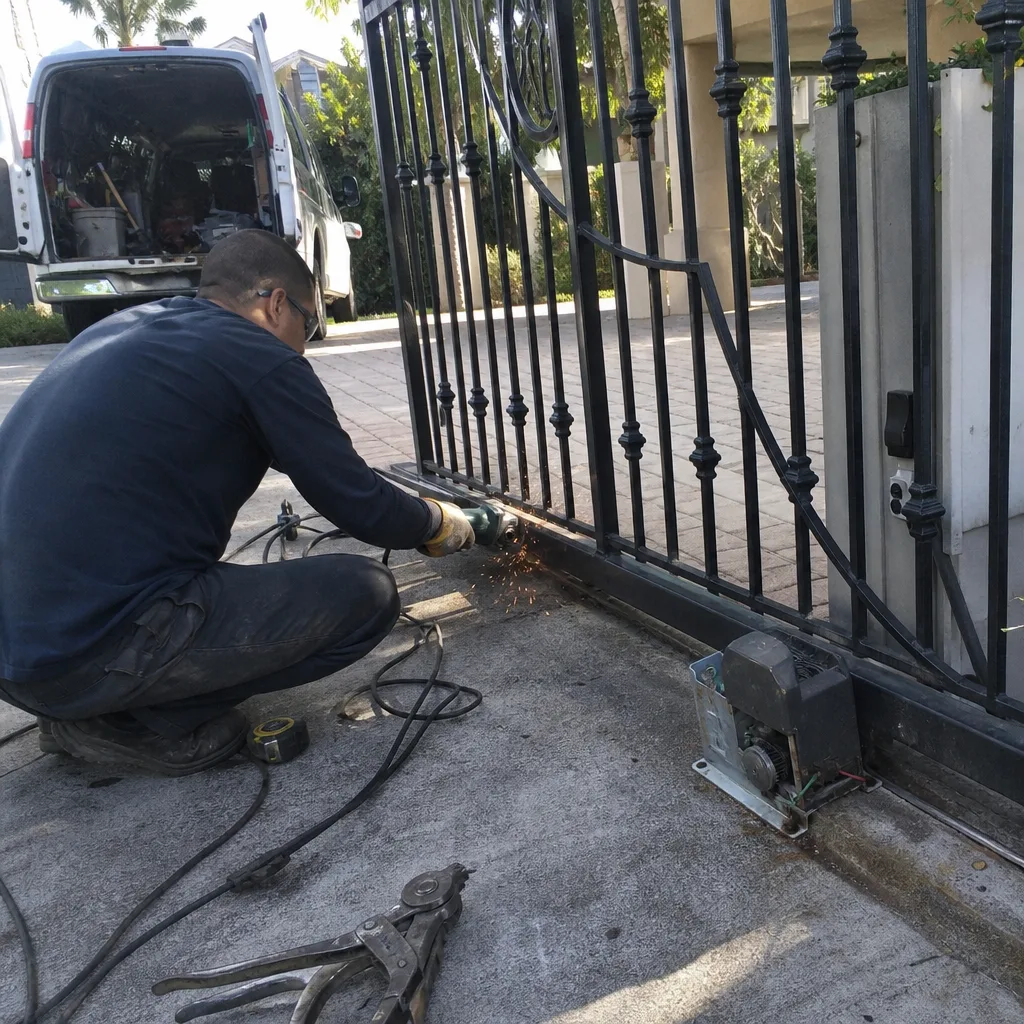
The dry season in North Miami Beach runs roughly from November through April, and it changes how a gate behaves. Heat bakes lubricant out of bearings. Reduced humidity dries out rubber seals until they crack. And critically, the materials in the gate and its mounting posts expand and contract at different rates than they did during the wet months. That shifts the geometry of the gate, and geometry is what limit switches are calibrated to.
A limit switch tells the motor where the gate stops. It is set so the gate reaches fully open without slamming the post, and fully closed without crushing against the stop or leaving a gap. When the set position is correct, the motor cuts power at the right point. When it is off, even by a few degrees, the motor keeps pushing against resistance it was never meant to overcome. That burns out motors and cracks welds.
Here is the dry-season recalibration sequence we perform in North Miami Beach, and the logic behind it:
- Test current limit positions. Run the gate to open and then to close. Watch how it stops. Does it coast past the stop point and then jerk back? Does it stop short and then creep? Both are signs the limit settings no longer match the physical gate travel.
- Measure the actual travel. Using the gate’s existing stops as the reference, measure whether the gate reaches them exactly. A quarter-inch difference matters. Record the measurement.
- Adjust the limit switch to match measured travel. On most motors, including units from Linear, BFT, and Viking, this is a set-screw or a cam adjustment inside the motor housing. Reset the open and close limits to the measured positions. Do not guess. Use the number you measured.
- Photograph the new limit-switch settings. If you have ever had a technician reset a limit and then leave without telling you, you know why this matters. The photo is the record. It means the next adjustment starts from a known position instead of a guess.
- Re-lubricate everything. Dry-season heat evaporates the wet-season lubrication. Hinges, bearings, and chains get dry and noisy, and dry metal wears faster. Apply fresh lubricant and wipe off the excess.
- Check the rubber seals. Bottom seals on the gate, gaskets on the control enclosure, and the rubber bumpers on the stops. If they are cracked or stiff, replace them. Rubber is a consumable. It fails on a schedule, and in South Florida that schedule is about two years.
- Record the new settings in your gate log. If you are keeping one, this is the moment it proves its value. You will know what was set, when it was set, and what changed since the last dry-season check.
The most common dry-season failure we see is a limit switch left at wet-season positions. When the ground dries and the posts shift, the gate travel changes. The motor keeps driving to the old limit point, which is now slightly too far. The result is a gate that slams or a motor that strains. This is a calibration issue, not a replacement issue. It is fixed with a screwdriver and a measurement, not with a new motor.
Post-Hurricane or Named-Storm Inspection Protocol
A named storm changes the inspection priority. After a hurricane or tropical storm passes through North Miami Beach, check the gate in a specific order. Do not check cosmetics first. Check the things that can cause injury or further damage first.
- Disconnect power at the breaker before touching anything. A gate that took water or wind damage may have exposed wiring or a shorted board. Do not assume the motor is safe to touch because the gate is not moving.
- Inspect the gate structure visually. Look for bent members, cracks at the weld points, or a gate that is no longer square. Compare one side to the other. A visibly sagging gate needs professional attention before any electrical work.
- Check the mounting posts for movement. Run a level vertically on both posts. If either post moved, the gate is not safe to operate until it is re-anchored. Post movement is the most serious structural risk after a storm.
- Check for water inside the motor housing. Open the cover. Look for standing water, condensation marks, or corroded terminals. If water is present, leave the power off and call a professional. Energizing a wet board destroys it.
- Inspect the wiring at every junction. Look for loose wire nuts, pulled conductors, or chafed insulation where the wind moved the conduit. Tighten and re-insulate only if you are comfortable working on de-energized wiring. Otherwise, photograph and wait for a technician.
- Run a test cycle with the photo-eye covered. With power restored, cover the photo-eye and attempt a close. The gate should not move. Then uncover and run a full cycle. Watch the limit stops. A gate that slams or shudders after a storm has a calibration issue or structural damage.
- Photograph the entire gate, both posts, the track, the motor, and the board. This is your post-storm damage record. If insurance is involved, these photos matter. If you call us, they shortcut the diagnosis.
After a named storm, gate installation standards in North Miami Beach matter more than repair speed. A gate that shifted on its posts needs to be re-anchored correctly, not just pushed back and tightened. We have seen homeowners try to re-square a wind-shifted gate with a ratchet strap. It holds until the next rain, then the gate jams and the motor burns out. That is a several-hundred-dollar lesson for what should have been a structural inspection call.
How to Build a Simple Annual Gate Log
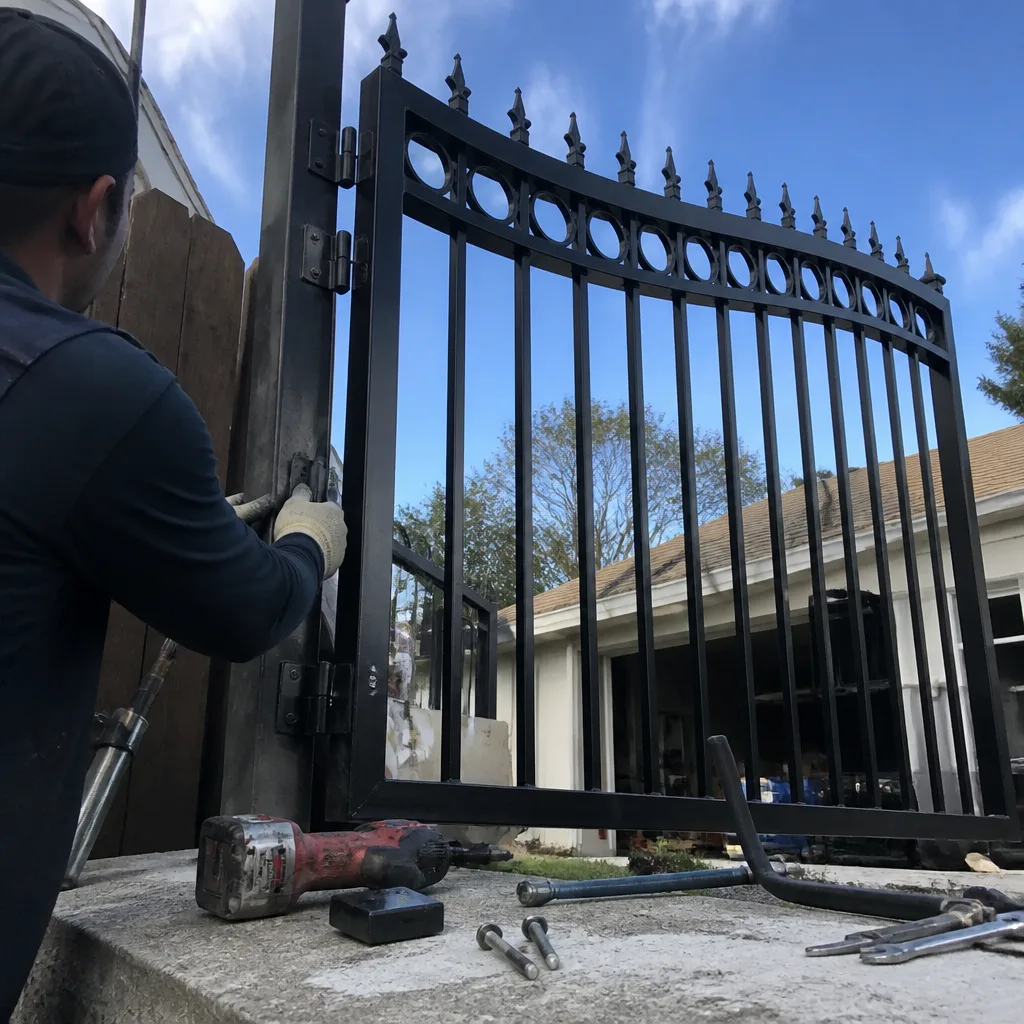
Most gate failures are surprises only because nobody wrote anything down. A gate log is the difference between a $200 adjustment and a $900 repair. The log is not complicated. It is a sheet of paper or a phone note with dates and measurements. But it changes the dynamic. Instead of discovering a problem in October, you spot the trend in July.
Here is what goes in the log:
- Date of every inspection. Pre-wet-season, post-rain checks, dry-season recalibration, post-storm checks.
- Gate travel time from fully open to fully closed, measured to the second.
- Photo-eye alignment status at each check. Green, red, or adjusted. Note how much you adjusted it.
- Limit switch positions after any calibration. Record the number of turns or the measured position.
- Lubrication dates and the product used.
- Any unusual sound or resistance you noticed, with a note on whether it resolved.
- Photos. Either file names or timestamps that connect to the photos you took.
- Work done by any professional, with the date, the part number, and the price paid.
We keep a version of this log for every gate we service in North Miami Beach; see our more guides & resources for additional maintenance tips. The commercial documentation habit that Adrian Vance developed in access-control work starting in 2014 carries over to residential gates. Every visit leaves a photographed record of what was found, what was adjusted, and what was installed. The homeowner gets a copy. The next technician gets a copy. Nobody has to guess. That is the idea behind the log. It is not about being organized. It is about making the next repair cheaper and faster because the evidence already exists.
The log also helps with warranty claims and insurance. If a motor fails eleven months after installation and your log shows the limit switch was reset three times by the installer, that strengthens your position. If a hurricane claim requires proof of pre-existing condition, your pre-storm photos and measurements are the evidence. In North Miami Beach, where storm claims are a regular part of homeownership, that record is worth keeping.
Common Mistakes to Avoid
- Skipping the pre-wet-season check because the gate is working. Working is not the same as prepared. The gate works in May because it has not rained yet. The failures in October trace directly back to what was not sealed or cleared in May.
- Lubricating the gate without cleaning it first. Lubricant over old grease and embedded grit just bonds the grit to the bearing. Wipe the surface clean before applying anything, and wipe off the excess after.
- Ignoring the photo-eye after the first storm. It takes one heavy downpour to shift a photo-eye bracket two inches. A misaligned beam means the gate refuses to close, which means you leave it open, which means you no longer have a gate. Check it after every significant rain.
- Using household caulk on conduit penetrations. Household caulk is not rated for the temperature swings and UV exposure of a South Florida motor housing. It will crack within a season. Use a marine-grade or electrical-grade weatherproof sealant.
- Letting the gate log lapse after the first entry. A log with one entry is a note, not a record. The value comes from the comparison over time. One entry in April and one in October is enough to spot a trend.
- Running the gate repeatedly when it is fighting resistance. If the gate is grinding or the motor is straining, every cycle you run is doing damage. Stop. Diagnose. The motor is not going to fix itself by pushing through.
- Doing electrical work on the motor without disconnecting power. A gate motor runs on 120V or 240V. It will not warn you. If you are not certain the power is off at the breaker, do not open the motor housing. This is the one step where being cautious is not optional.
When to Call a Professional
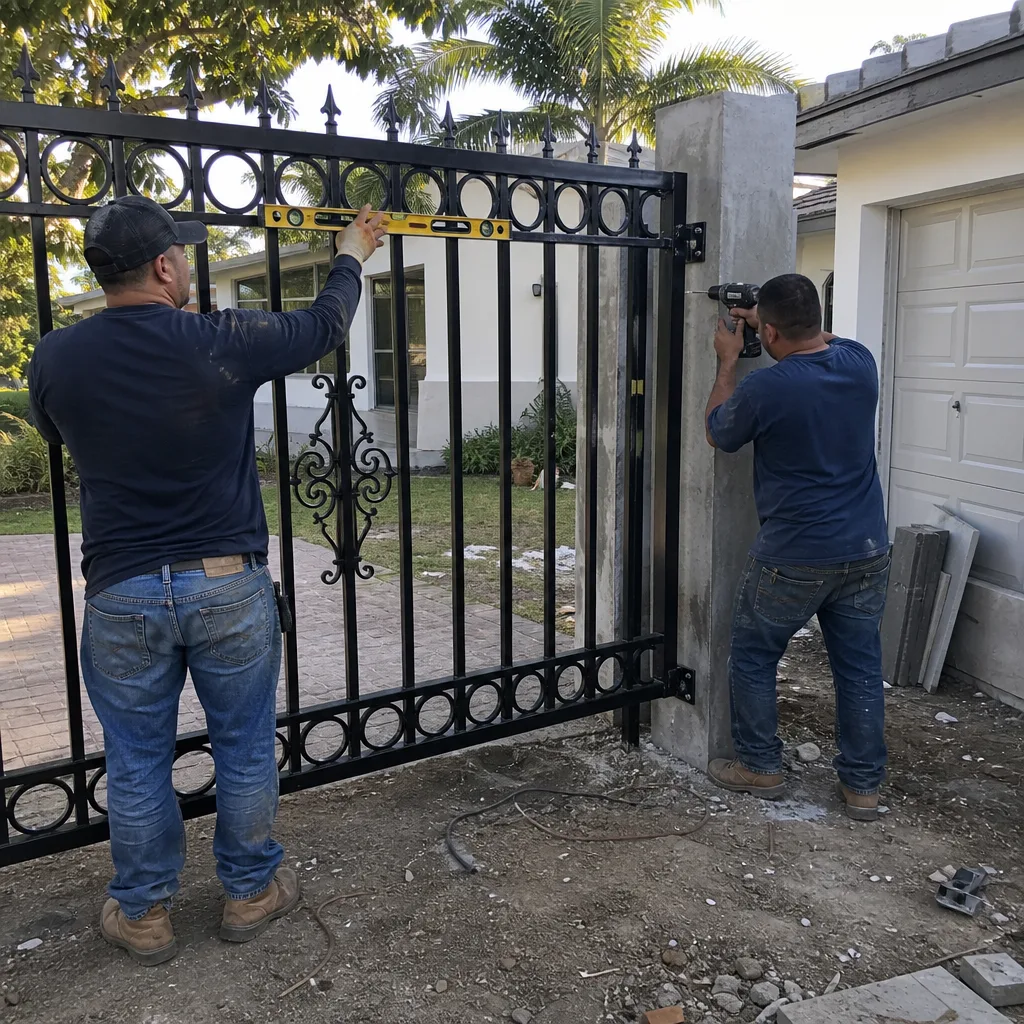
Some seasonal gate work is realistic for a homeowner. Photo-eye alignment, drainage clearing, and visual inspection are all within reach. Other work is not. If the gate shifted on its posts after a storm, call a professional. If water has entered the motor housing or the control board shows corrosion, call a professional. If the limit switch adjustment requires opening the motor and you are not certain how to de-energize it, call a professional. If the gate makes a sound you cannot identify and the motor smells hot, call a professional. The cost of a service visit is cheaper than the cost of a gate that fails at 6 a.m. And in North Miami Beach, Vance Gate Repair North Miami Beach offers free estimates with a written price before any work begins. Call (754) 219-6080 and we will send a technician who will document what they find.
Frequently Asked Questions
Twice a year is the right cadence for most North Miami Beach gates. A pre-wet-season service in April or May and a dry-season recalibration in October or November. After a named storm, add a post-storm inspection. Annual service is not enough in a climate with this much rain and salt air. Call (754) 219-6080 and we will give you a written price for seasonal service.
Seasonal gate maintenance in North Miami Beach typically runs from $150 to $350 depending on the gate type, the motor brand, and what the inspection finds. The written estimate you receive before any work starts is the price you pay. Most seasonal visits involve inspection, lubrication, limit-switch verification, and photo-eye alignment. Repairs found during the visit are quoted separately before any work is done.
Yes, and this is one of the most common calls we get in North Miami Beach. Water intrusion into a board or a shifted photo-eye is usually the cause, and both are repairable without replacing the motor. The key is not running the gate repeatedly after it fails. Power it down and call us. A live person answers at (754) 219-6080, and we will schedule a technician to diagnose and quote in writing.
We service nine major gate-automation brands, including FAAC, BFT, Linear, and Viking, along with LiftMaster, Ghost Controls, DoorKing, Elite, and Mighty Mule. The right approach is repair first. When a motor fails, we diagnose whether it is the motor, the board, or the limit switch. If the motor is the problem, we will quote you a replacement with the exact part number and compatibility verified before any work starts.
Not necessarily. A sagging gate usually means the hinge post moved or the gate structure twisted. Sometimes the post can be re-anchored and the gate re-squared. Sometimes the welds cracked and need repair. Sometimes the post is compromised and needs replacement. A photo and a level will tell us which situation you have. We will show you the evidence and give you a written price before we do any work.
Run the gate through a full open-close cycle and watch how it stops. If it slams against the stop, reverses slightly, or stops short and then creeps, the limit switch is not set correctly. The correct setting stops the motor exactly when the gate reaches the physical stop, with no coasting and no gap. If you are not sure, and you are not comfortable adjusting a limit switch, that is a quick service call. Estimates are free.
The Bottom Line
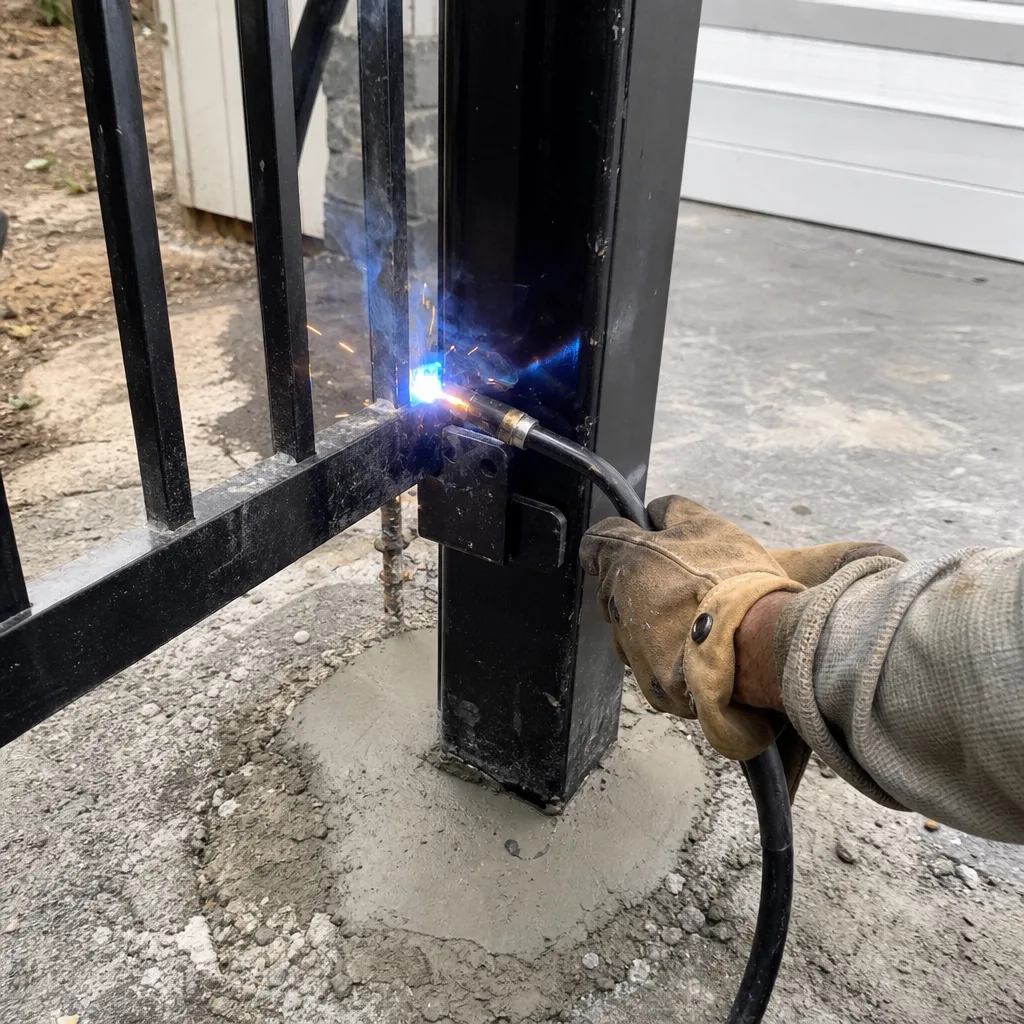
North Miami Beach does not have four seasons. It has a wet season that corrodes and floods, and a dry season that bakes and cracks. Gate maintenance follows those two rhythms. Prep in April and May. Check after heavy rain. Recalibrate in October and November. Inspect after every named storm. And write it down. The gate that fails in October is usually the gate that skipped its May prep. The gate that lasts fifteen years instead of eight is the one with a log and a homeowner who respected the climate. If you would rather spend an hour watching someone else do it, Vance Gate Repair North Miami Beach offers free estimates in North Miami Beach with a written price before any work starts. Call (754) 219-6080.
Written by Adrian Vance, Owner at Vance Gate Repair North Miami Beach, serving North Miami Beach since 2014.